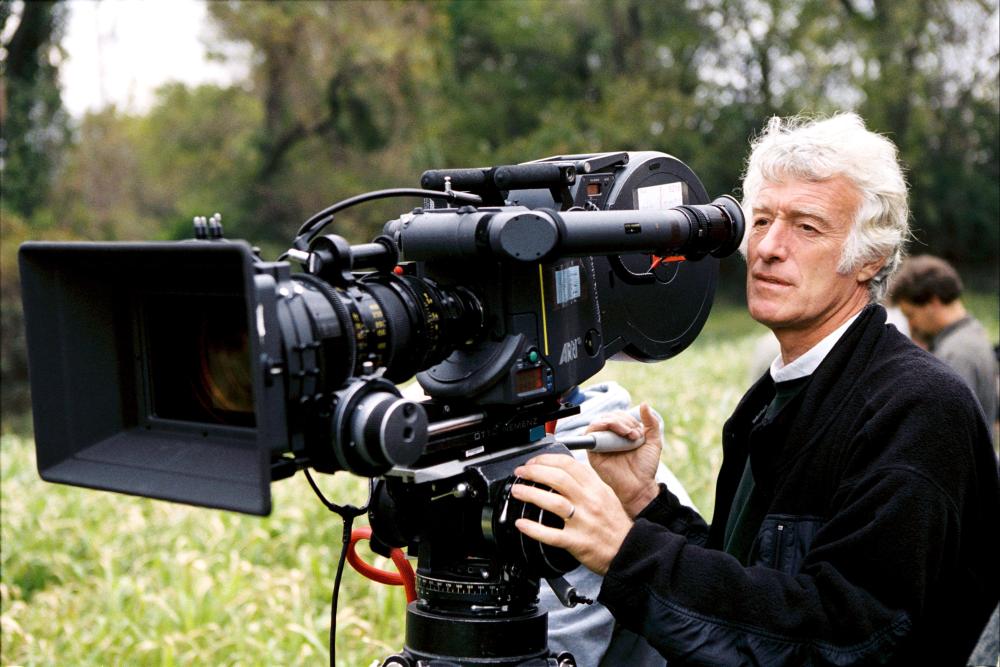
After decades of bewitching our eyes with his work as a cinematographer, Roger Deakins has become one of the most successful cinematographers of our time. From The Shawshank Redemption and Sicario to Prisoners and 1917, there is no doubt that having him behind the camera makes watching a film feel like witnessing a miracle. He has achieved prestigious accolades, including two Academy Awards and five BAFTAs for Best Cinematography. His incredible work has been recognized not only by awards and his peers but also by the British Monarch; for his contributions to the arts, specifically film, he was granted a knighthood—an honor much deserved.
What is it that makes his cinematography and camerawork so special? We are about to dive into his masterpieces, his approach to projects, his techniques, and the specific gear he opts to use.
Before we explore what makes his work so incredibly terrific, let’s look at what a cinematographer actually does. What are their main responsibilities? Quoting Deakins himself from an interview: “A cinematographer’s main responsibility is to create a set that is inviting—a safe place for actors to do what they have to do.” He adds that a cinematographer owes it to the actors to create the most efficient set possible to assist their performance. In another interview, he mentioned that cinematography is “where you put your audience.” While that sounds simple, it is incredibly powerful; how we feel while watching a scene is highly dependent on where the camera is placed. You can take one scene and shoot it from ten different angles with ten different movements, resulting in ten different sets of emotions.
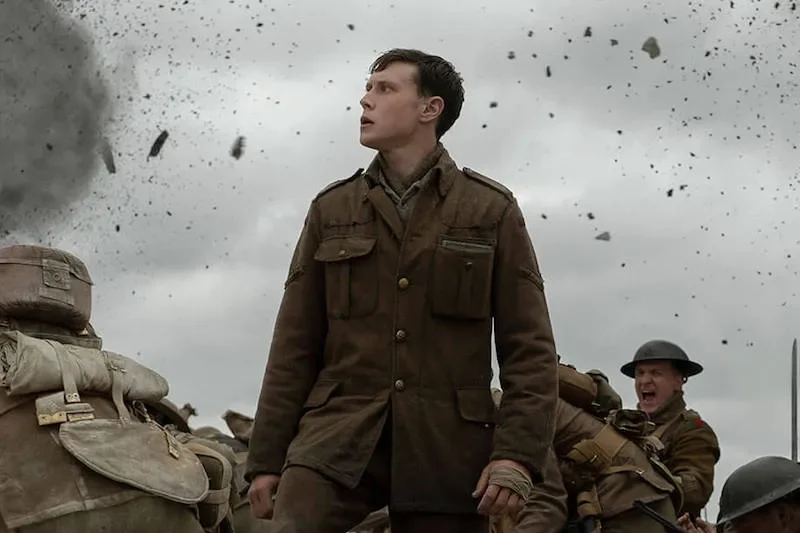
Roger Deakins understands this completely. For example, in 1917—one of the most successful war films of our time—he chose a “one-shot” style. Since the film follows a single character, he acknowledged that this was the most effective approach. As a result, the audience feels the intense pressure, anxiety, and fear of Lance Corporal Schofield, played brilliantly by George MacKay. The camera never leaves him; therefore, every heartbeat and every turning point feels palpable.
Early in his career, before focusing on feature films, Deakins started in documentaries. This is where he learned the significance of natural lighting. He strongly believes that a filmmaker must be aware of their surroundings to truly understand light. “You don’t want to be a slave to exposure,” he said in an interview. He also emphasizes that the image in your head is more important than the lighting equipment itself. All the technical knowledge in the world won’t help if you lack a vision for how a frame should look.
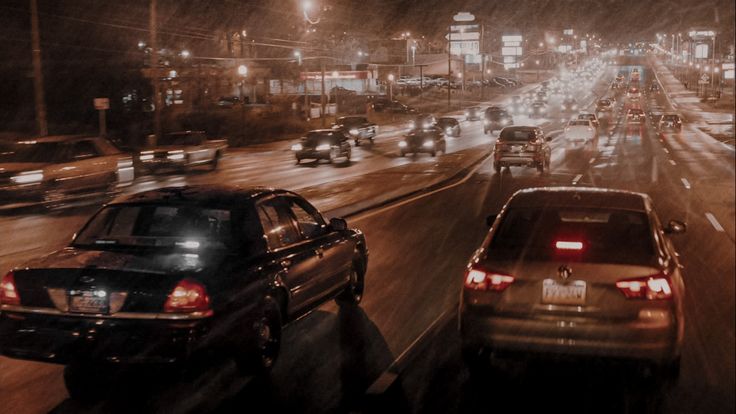
Beyond lighting, Deakins stresses the importance of keeping an open mind and “embracing accidents.” Regarding his work on Prisoners, he told GQ that for the car chase scene, they were meshing a real town with practical elements. He couldn’t place traditional lights everywhere, so he had to maximize natural light from the night and the town—streetlights and buildings. Working this way carries the risk that the scene might not look exactly as envisioned, but Deakins noted that the final look was exactly what it needed to be.
Regarding his working style, he adopts two prominent habits: operating the camera himself and practicing “quiet professionalism.” He prefers to operate the camera so his team can focus on the technical placement of gear. As for his “quiet” style, he admits he still gets nervous on set when things get serious. However, he realizes that the actors rely on him and may be just as nervous, so he remains mindful of his attitude and work ethic.
In terms of gear, Deakins is a longtime user of ARRI cameras, ranging from film cameras like the Arricam or 35BL to digital models like the ARRI Alexa LF and Mini LF. Interestingly, he has a customized lens called “The Deakinizer.” Developed with Otto Nemenz International, these lenses are designed to create a dreamy look with blurry edges and a heavy vignette to mimic a 19th-century feel. This look was first used in the 2007 film The Assassination of Jesse James by the Coward Robert Ford.
In conclusion, Roger Deakins is one of the greatest cinematographers in the industry. He meticulously prepares for each project, embraces natural occurrences, and communicates masterfully with his collaborators. For aspiring filmmakers, there is much to be learned from his brilliance and his work ethic, and hopefully we get to see more of his brilliance in the future.