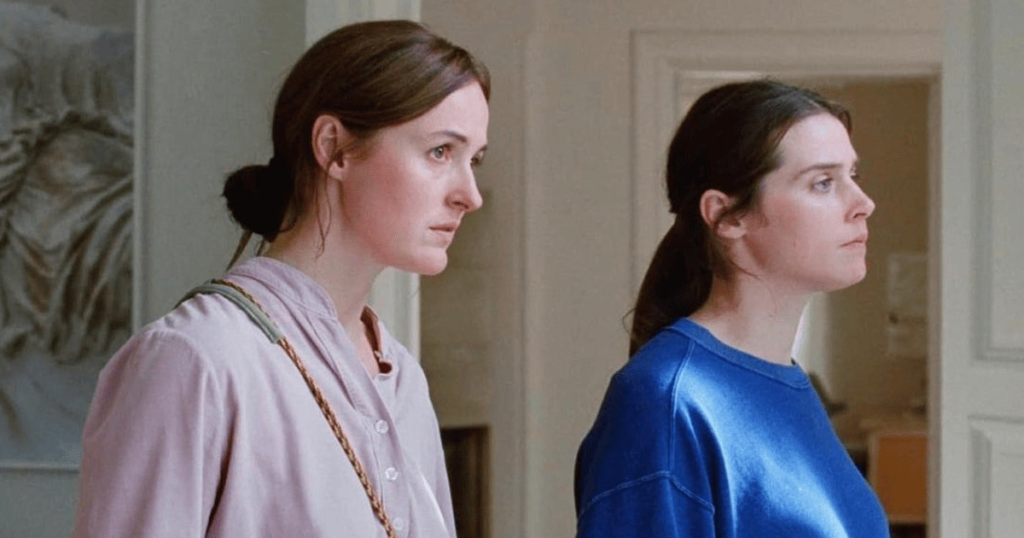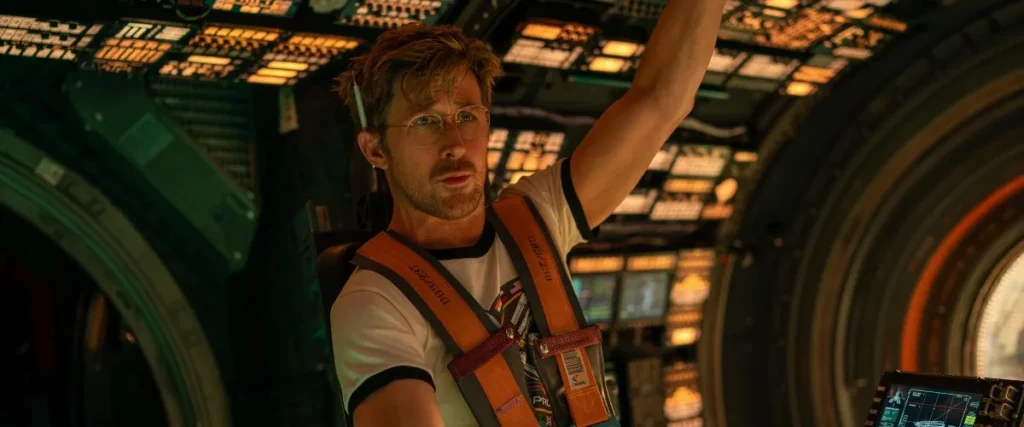
Project Hail Mary, directed by Phil Lord and Christopher Miller, is Hollywood’s latest sci-fi blockbuster based on the novel of the same name by Andy Weir. It follows a science teacher, Ryland Grace, who suddenly wakes up alone on a spaceship, far away from Earth, with no memory of who he is or what his role is there. As he begins to recover his memories and realizes his true purpose, he encounters someone along the way and develops an unexpected friendship. The film is written by Drew Goddard, with cinematography by Greig Fraser.
When discussing films set in space, most people tend to focus on the visual spectacle, sometimes overlooking the emotional depth and interpersonal connections. The friendship that Grace develops with Rocky is one of the most compelling aspects of the film. After all, they are far more similar to each other than they are different.

It is particularly interesting that the film is told through a back-and-forth timeline. This allows the audience to feel more intimately connected to what Grace is experiencing—the confusion, the gradual return of memories, the panic, the loneliness, and the sense of being trapped. All of these emotions are felt deeply as you watch. This serves as a testament to Ryan Gosling’s incredible performance, as we follow his journey from beginning to end. Combine that with brilliant writing, and you get a masterclass of a film. Not to mention, the rest of the cast delivers equally strong performances, including Sandra Hüller as Eva Stratt and Lionel Boyce as Carl.
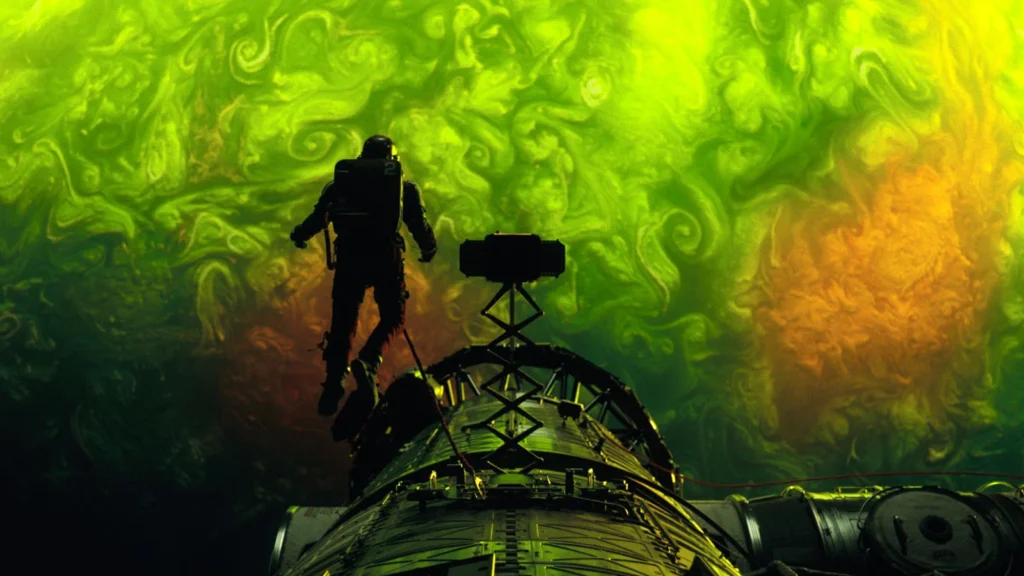
This film is a feast for the mind, the soul, and the eyes. The fact that no green screen was used is a powerful testament to how practical sets are still incredibly valuable, capable of producing cinematography that is just as good—if not better. One of the most breathtaking moments comes during the end credits, where real astrophotography images are showcased, captured by a brilliant photographer.
The amount of heart and passion poured into this film is effortlessly felt, and it deserves a place among the greatest sci-fi, space-themed films of all time. It’s one of those films that reminds you why you fell in love with cinema in the first place. Go see it in cinemas if you can—and experience it in IMAX.